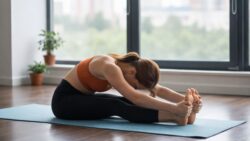
Tight hips are a common complaint for many people in India, especially with long hours of sitting, commuting, and desk-based work becoming the norm. When the hips lose mobility, it can quietly affect posture, lower back comfort, and even how freely you walk or exercise. Yoga offers a gentle yet powerful way to release tension in this area while improving overall movement quality. By practicing specific poses consistently, you can ease stiffness, support joint health, and feel more comfortable in daily life without needing extreme flexibility or advanced experience.
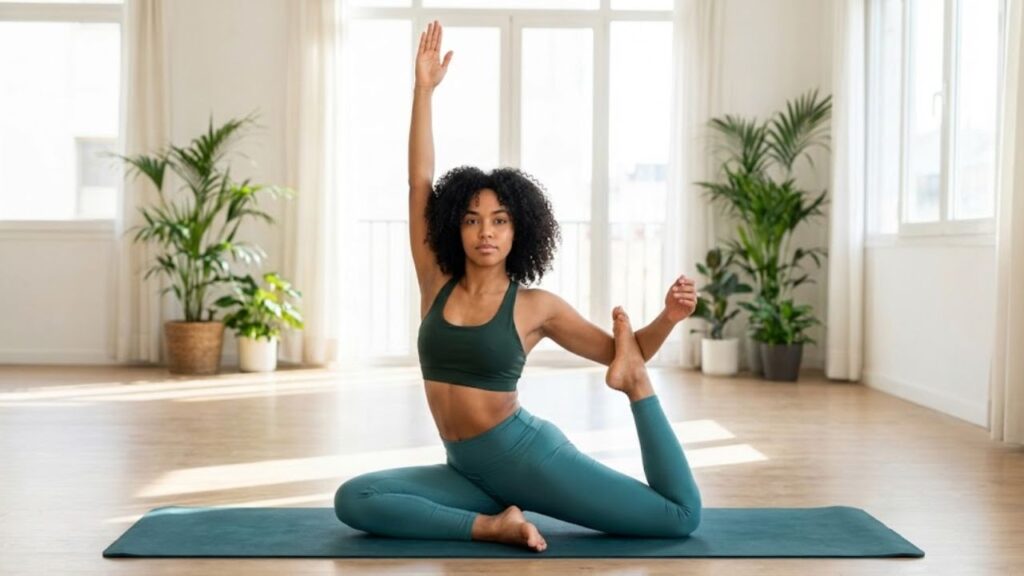
Yoga poses to open tight hips safely
Yoga works best for hip tightness when poses are approached slowly and with awareness. Movements that combine stretching and controlled breathing encourage the muscles around the hips to soften over time rather than resist. Poses such as low lunges, butterfly stretches, and seated forward folds are often recommended because they target multiple angles of the hip joint. As you hold these shapes, focus on deep hip release, maintain steady relaxed breathing, and allow gentle muscle lengthening to happen naturally. Over weeks of practice, many people notice improved joint comfort and easier daily movement, even during activities like climbing stairs or sitting cross-legged.

Hip opening yoga poses for better mobility
Improving mobility is not just about stretching harder; it is about moving the hips through a comfortable range of motion. Yoga poses that involve rotation, extension, and flexion help nourish the joint and surrounding tissues. When practiced regularly, these poses can support smoother hip rotation and encourage balanced muscle activation. Many practitioners also report reduced sitting stiffness and better posture support as the hips begin to move more freely. The key is consistency and listening to your body, aiming for controlled range movement rather than forcing flexibility too quickly.

Best yoga stretches for hip flexibility
Flexibility in the hips develops gradually, especially if tightness has built up over years. Yoga stretches work well because they combine time, breath, and mindful positioning. Poses like pigeon, garland, and reclined stretches gently target deep muscles that are often neglected. With regular practice, these poses promote gradual flexibility gains while helping prevent strain. Many people also experience lower back relief and improved walking ease as hip movement improves. By respecting your limits and focusing on safe stretch alignment and mind body awareness, progress feels sustainable and rewarding.
How consistent hip-focused yoga supports daily life
When hip mobility improves, the benefits extend far beyond the yoga mat. Simple actions like bending, standing, or sitting for longer periods often feel easier and more natural. A regular routine builds long term joint health while encouraging functional movement patterns that support daily tasks. Many practitioners notice less compensatory strain in the knees and lower back, along with greater body confidence during movement. Over time, this consistent approach creates sustainable mobility habits that fit well into busy lifestyles without requiring intense workouts.
| Yoga Pose | Primary Hip Area | Difficulty Level | Suggested Hold Time |
|---|---|---|---|
| Butterfly Pose | Inner hips | Beginner | 30–60 seconds |
| Low Lunge | Hip flexors | Beginner | 20–40 seconds |
| Pigeon Pose | Outer hips | Intermediate | 30–60 seconds |
| Garland Pose | Hip joints | Intermediate | 20–30 seconds |
| Reclined Figure Four | Glutes | Beginner | 30–45 seconds |
Frequently Asked Questions (FAQs)
1. How often should I practice hip-opening yoga?
Practicing three to five times a week is usually enough to see gradual improvement.
2. Can beginners try these yoga poses safely?
Yes, most poses can be modified to suit beginners with no prior yoga experience.
3. How long does it take to feel hip mobility changes?
Many people notice subtle changes within two to four weeks of consistent practice.
4. Should I stop if I feel discomfort in my hips?
Mild stretching sensations are normal, but sharp pain is a sign to ease out of the pose.