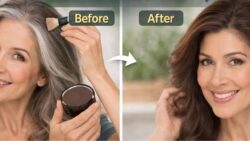
Many women in the United Kingdom are quietly stepping away from traditional hair dye routines, especially as gray roots become more frequent and harder to maintain. The constant cycle of coloring, regrowth, and touch-ups often feels exhausting rather than empowering. Instead of bold color changes, a calmer approach is taking over—one that focuses on blending, softening, and working with natural tones. This shift reflects a broader change in how aging hair is viewed, favoring subtle refinement over obvious coverage and allowing gray to exist without dominating the overall look.
Goodbye Hair Dye and the Rise of Gray Blending
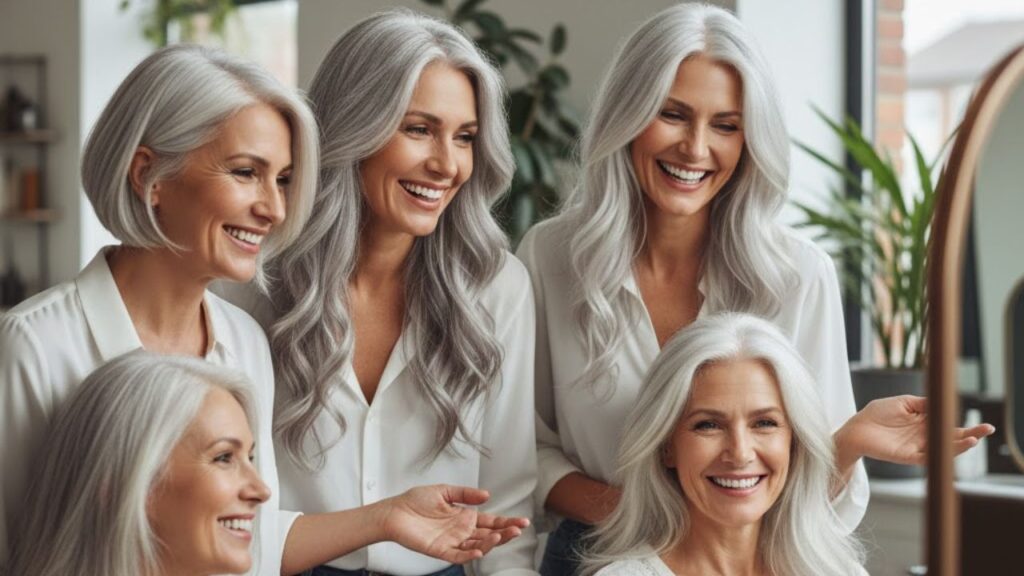
The phrase goodbye hair dye no longer means giving up on polished hair altogether. It signals a move toward smarter techniques that reduce harsh contrast and visible regrowth. Stylists now rely on soft color veils, sheer tonal layers, and light-diffusing glosses to gently blur gray strands into the rest of the hair. This method avoids the flat, opaque finish that often looks artificial in daylight. By letting some silver remain visible, the hair gains dimension and movement, creating a look that feels intentional rather than neglected or overly processed.

How Goodbye Hair Dye Transforms Salon Techniques
Modern salons have rewritten their playbook as goodbye hair dye becomes a common request. Instead of full coverage, professionals use transparent demi shades, micro face highlights, and root shadow transitions to guide the eye naturally. These techniques fade gradually, which means fewer urgent appointments and less stress between visits. Clients often notice that the grow-out looks softer and more refined, eliminating the sharp line that once defined dyed hair. The overall effect is balanced, flexible, and far easier to live with.

Why Goodbye Hair Dye Softens Facial Features
One reason goodbye hair dye resonates so strongly is its impact on the face. Solid, dark color can frame features too harshly, while stark white roots draw unwanted attention. Blended approaches lower contrast using gentle light placement, subtle depth shifts, and natural silver flow. This visual balance helps skin appear brighter and more rested without drastic changes. Stylists often compare the effect to contouring, where light and shadow work together to enhance rather than overpower what is already there.
A Calmer Perspective on Aging Hair
This movement represents more than a cosmetic update; it reflects a mindset change. By choosing blending over erasing, people focus on healthy hair texture, lived-in elegance, and effortless upkeep instead of constant correction. The pressure to hide every gray strand fades, replaced by confidence in subtle refinement. Many find that this approach reduces daily frustration and restores enjoyment in personal style, proving that aging hair can feel polished, modern, and quietly expressive.
| Technique | Purpose | Maintenance Level |
|---|---|---|
| Gray blending | Soften contrast | Low |
| Demi-permanent gloss | Add shine | Low |
| Face-framing highlights | Brighten features | Medium |
| Root shadowing | Smooth grow-out | Low |
Frequently Asked Questions (FAQs)
1. What does goodbye hair dye really mean?
It refers to replacing heavy coverage with softer blending techniques.

2. Does gray blending stop coloring completely?
No, it uses gentler tones instead of full permanent dye.
3. Is this approach easier to maintain?
Yes, grow-out lines are softer and appointments are less frequent.

4. Can blended gray still look polished?
Absolutely, it emphasizes shine, balance, and natural movement.