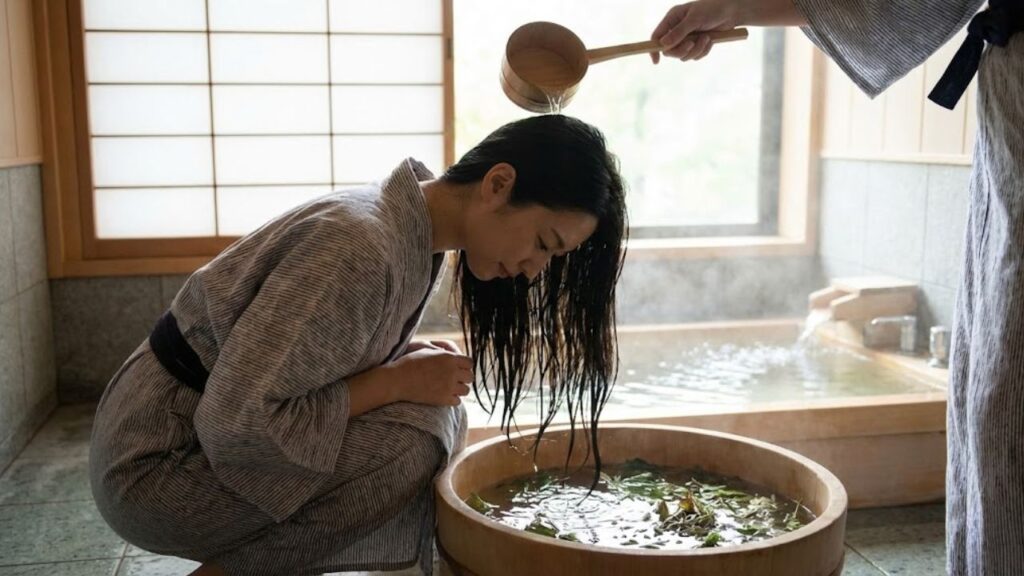
Sometimes, washing your hair feels like just another task, rather than a moment of relaxation. However, when you slow down and turn it into a ritual, you can notice remarkable changes. With this Japanese-inspired Head Spa routine, your hair can become smoother, shinier, and even fuller—all without the hefty price tag of salon visits. By treating your scalp with care, this routine helps you achieve long-lasting results.
What is the Japanese Hair-Washing Method?
The Japanese-inspired Head Spa method involves more than just shampooing—it’s a holistic approach to scalp and hair care. Instead of a rushed wash and rinse, this technique focuses on a gentle scalp massage, thoughtful cleansing, and proper drying. The goal is not only clean hair but also a relaxed scalp, reduced stress, and hair that maintains its natural smoothness and shine. The full routine includes several easy steps: a pre-wash scalp massage, optional oil application, gentle shampooing, and careful drying.
 Simple Morning Hydration Routine That Enhances Skin Glow and Sustains Energy Throughout the Day
The Benefits of a Japanese Head Spa
What sets the Japanese Head Spa apart is its focus on relaxation and rejuvenation. It’s more than just about hair—this routine promotes a sense of calm and mindfulness. The soothing scalp massage not only helps with blood circulation but also creates a refreshing, centered feeling that can last long after your shower.

How Often Should You Wash Your Hair?
The frequency of hair washing is an important consideration. Washing too often can strip your hair of natural oils, leaving it dry and damaged. On the other hand, infrequent washing can lead to buildup and oily hair. Finding the right balance depends on your scalp type and lifestyle. Most people find washing once to three times per week works best for them.
Washing Frequency by Hair Type
- Normal or Wavy Hair: Once or twice a week is typically sufficient, unless heavy exercise or styling products are used.
- Oily Scalp: Washing up to three times a week helps keep the scalp fresh, focusing the shampoo on the roots.
- Dry or Curly Hair: Washing once a week or less is ideal, as curly hair holds moisture better near the scalp.
Dermatologists recommend adjusting washing habits based on hair type to keep your scalp and hair in optimal condition.
Step 1: Scalp Massage Before Shampoo
The Head Spa routine begins with a dry scalp massage before applying any water or shampoo. Use your fingertips or a soft silicone brush to massage your scalp in small circular motions. Starting from the back of your neck, work your way up to the top of your head. Studies show that this massage, lasting about four minutes daily, can increase hair thickness due to improved circulation and scalp stretching.
This step also loosens buildup, enhances blood flow, and provides deep relaxation, making the scalp feel lighter and more comfortable for hours.
Step 2: Pre-Wash Oil for Protection
Before shampooing, apply a light layer of oil to your scalp and hair. This step isn’t about creating a heavy mask—just a thin layer to protect your hair from drying out. Coconut oil, known for preventing protein loss, is particularly beneficial when used before and after washing. For finer hair, consider using lighter oils such as argan, jojoba, or grapeseed oil to avoid weighing it down.

Massage the oil into your scalp and smooth the remainder through the lengths of your hair. Allow it to sit for a few minutes before rinsing with lukewarm water. When shampooing, focus on cleansing your scalp, as the foam running down your hair will clean the rest.
Step 3: Gentle Drying for Healthier Hair
Wet hair is delicate, so avoid rubbing it with a towel. Instead, gently press out excess water using a microfiber towel or soft cotton T-shirt. This method reduces frizz and breakage over time. Studies suggest that microfiber towels cause less friction and are gentler on hair fibers compared to traditional cotton towels.
Step 4: Low-Heat Blow-Drying for Soft Hair
While blow-drying doesn’t necessarily damage hair, it can if done incorrectly. Avoid high heat and keep the blow dryer about six inches from your head. Move the dryer constantly and point it from the roots to the tips to smooth the outer layer of your hair. Most people find that using lower heat results in softer ends and less dryness over time.
Bonus Step: Rice-Water Rinse for Extra Shine
Occasionally, try a rice-water rinse to finish off your routine. Rice water, the cloudy water left after rinsing rice, is known to enhance hair’s shine and smoothness. You don’t need to use it every time you wash your hair—just once every few weeks for a gentle shine boost. It’s a simple yet special touch that makes your hair care routine feel more intentional.

Long-Term Results of the Head Spa Ritual
Combining scalp massage, light pre-wash oil, gentle drying, and low-heat blow-drying with occasional rice-water rinses results in healthier, shinier hair over time. This method reduces heat and friction damage, allowing your hair to develop its natural shine and softness. Most people notice less breakage, smoother ends, and easier styling, without needing extra products. Inspired by the Japanese Head Spa, this routine helps your hair respond well to careful, mindful handling, building your hair’s health and boosting your natural confidence.