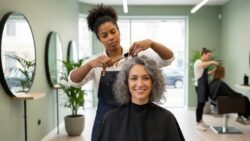
Grey hair coverage is undergoing a noticeable shift as more people in India turn away from harsh chemical dyes and explore gentler, natural alternatives. Once seen as a sign of ageing to be hidden at all costs, grey hair is now part of a broader conversation around scalp health, sustainability, and self-acceptance. Social media trends, wellness influencers, and traditional remedies are all playing a role in this change. As awareness grows, natural methods for managing greys are gaining rapid attention among different age groups.
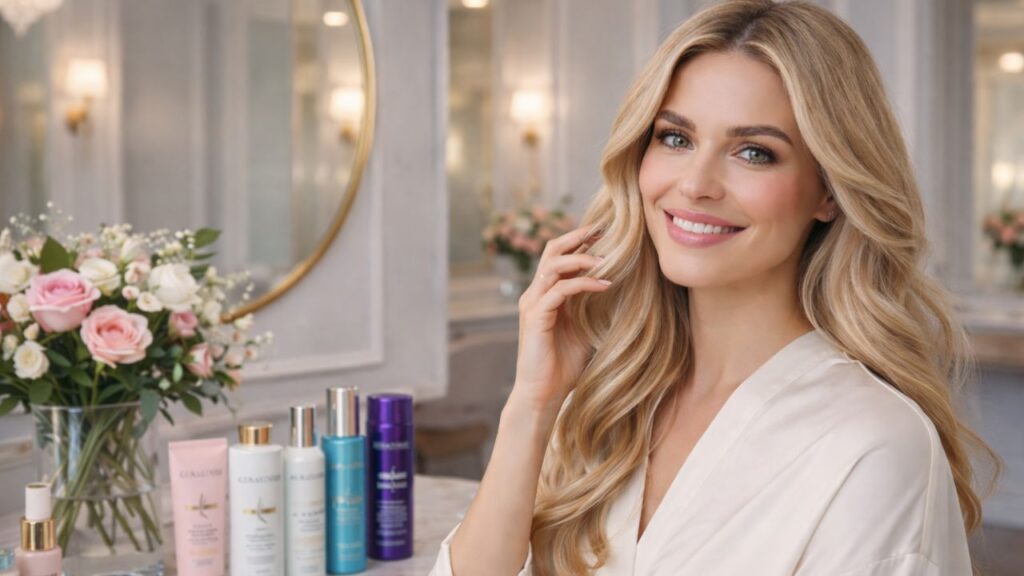
Grey hair coverage trends embracing natural solutions
Across India, grey hair coverage is no longer just about instant colour results. Many individuals are questioning long-term effects and looking for safer routines that support hair health. Natural oils, plant-based powders, and mineral-rich treatments are being rediscovered, often inspired by age-old practices. People appreciate options that work gradually and feel less aggressive on the scalp. This shift is driven by concerns over chemical exposure worries, rising interest in holistic hair care, trust in traditional remedies, and the appeal of low maintenance routines. The focus is slowly moving from hiding greys to caring for hair overall.
Natural grey hair coverage methods gaining popularity
Popular natural approaches to grey hair coverage include ingredients that are easily available and familiar to many households. Henna, indigo, curry leaves, and amla are frequently discussed for their conditioning properties and subtle colouring effects. While results may take longer, users often report better texture and scalp comfort. These methods align well with plant based ingredients, encourage scalp friendly routines, and support gradual colour blending rather than harsh contrasts. For many, the appeal lies in combining beauty with wellness, making the process feel more intentional and mindful.
 Goodbye Hair Dye for Grey Hair: The Simple Conditioner Add In That Revives Natural Colour Gradually
Why grey hair coverage is shifting toward gentler care
The move toward natural grey hair coverage reflects changing attitudes about ageing and appearance. Younger adults are noticing premature greying and want preventive care, while older individuals are choosing options that feel authentic. Conversations now highlight long term hair health, age positive mindset, and sustainable beauty choices. There is also growing transparency about product ingredients, prompting consumers to read labels more carefully. This shift suggests that grey hair is no longer an emergency to fix, but a feature to manage thoughtfully.
Understanding the future of grey hair coverage
Looking ahead, grey hair coverage is likely to blend tradition with modern research. Brands are already investing in cleaner formulations inspired by natural ingredients, while consumers continue to experiment at home. The future points toward balanced beauty approaches that respect personal choice, cultural practices, and individual comfort. Instead of one-size-fits-all solutions, people are embracing flexibility and patience. As awareness grows, natural methods may not fully replace dyes, but they are clearly reshaping expectations around how grey hair is treated.
| Method Type | Common Ingredients | Application Frequency | Key Benefit |
|---|---|---|---|
| Herbal Powders | Henna, Indigo | Every 3–4 weeks | Natural colour tone |
| Oil Treatments | Amla, Coconut Oil | 2–3 times weekly | Scalp nourishment |
| Leaf Infusions | Curry Leaves | Weekly | Hair strengthening |
| Mineral Rinses | Iron-rich water | Occasional | Improved hair texture |
Frequently Asked Questions (FAQs)
1. Are natural methods effective for grey hair coverage?
They offer gradual, subtle results while supporting overall hair and scalp health.
 11 Winter Nail Polish Shades Trending Everywhere This Season for a Fresh Polished Modern Look
2. How long do natural grey hair methods take to show results?
Most natural approaches require consistent use over several weeks.
3. Can natural methods fully replace chemical hair dyes?
They may not replace dyes completely but can reduce dependency on harsh products.

4. Are these methods suitable for all hair types?
Yes, most natural options are adaptable and generally safe for different hair types.